
Quick Read Summary
Home buying is often driven by emotion as much as finances, and understanding that emotional connection can help buyers make more confident and balanced decisions. This article explores the psychology behind why certain homes immediately “feel right,” including the influence of layout, lighting, memories, lifestyle aspirations, and personal identity. It also explains how emotional attachment can sometimes lead buyers to overlook practical considerations such as budget, location, or long-term suitability. For Ontario buyers navigating a competitive market, recognizing the difference between emotional response and informed decision-making is an important part of the process. The article encourages buyers to balance emotional connection with careful planning, helping them choose a home that supports both their lifestyle goals and long-term financial well-being.
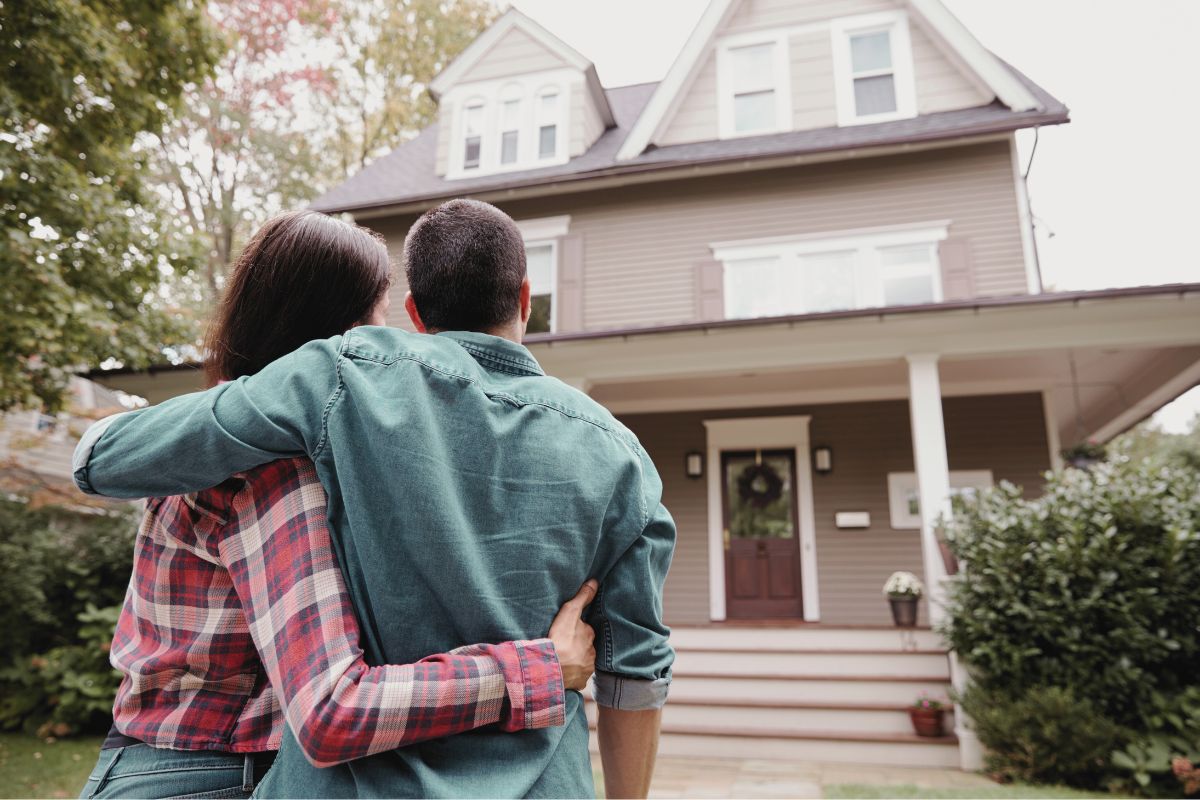
Have you ever walked into a house and immediately felt at ease, like you could picture yourself making coffee in the kitchen, cozying up on the couch, or planting flowers in the backyard? This emotional connection is no accident. It’s deeply rooted in the psychology of home: an intricate mix of memory, emotion, design, and instinct. Understanding why we fall in love with certain properties can help explain what makes a house feel like “home.”
The Emotional Connection to Homes
A home is not just a physical structure; it’s a space that represents safety, identity, and belonging. Psychologists often refer to this emotional attachment as place attachment: a powerful bond between a person and a specific location. For most of us, home is the backdrop of our lives. It holds memories, reflects our personalities, and influences our sense of well-being.
This emotional pull is so strong that buyers often make decisions based on feeling rather than logic. Research has shown that many buyers decide within the first few minutes of a showing whether a house “feels right.” But what causes that gut reaction?
The Heart Remembers
One of the strongest psychological drivers of home preference is nostalgia. We connect to places that remind us, consciously or not, of happy times from our past. A house with a big backyard may trigger memories of playing outside as a child. A farmhouse kitchen might evoke the scent of a grandmother’s baking. Warm wood tones, fireplaces, bay windows, and even certain layouts can feel familiar and comforting.
This nostalgic pull can be especially powerful for first-time buyers who are eager to recreate the security and comfort of their childhood homes. It also explains why some properties, regardless of size or modern amenities, simply “feel right.”
The Role of Design
While emotion plays a significant role, tangible elements often trigger it, such as design, lighting, and layout. Humans are incredibly responsive to space and light. Natural light, for example, is a major factor in how we perceive a room. Bright, sun-filled spaces can boost mood and energy, while dark, cramped areas can feel depressing or claustrophobic.
Open-concept layouts, high ceilings, and good flow from room to room can also create a sense of spaciousness and harmony. In contrast, awkward layouts or jarring design choices may disrupt that sense of “suitability,” even if we can’t quite articulate why.
Colour psychology is another subtle but influential factor. Soft blues and greens evoke calmness, while warm tones like terracotta or soft gold can feel welcoming and grounded. When staging a home for sale, these design choices can be the difference between a cold reception and a warm emotional connection.
Personal Identity
A house is often a canvas for self-expression. People are drawn to properties that reflect their identity, aspirations, and lifestyle. A young professional might envision dinner parties in a sleek downtown condo. A growing family might fall for a suburban home near good schools and parks. An artist may be captivated by a loft with exposed brick and natural light.
The psychology of home ties to our sense of self. When we see a property that matches who we are, or who we want to become, we’re more likely to fall in love with it. It’s not just a house; it’s a statement.
Sensory Appeal in Homes
The emotional experience of a home isn’t just visual. Sensory factors like smell, sound, and even texture contribute to our overall perception. The subtle scent of fresh linen or baked cookies can evoke feelings of comfort and care. The sound of birds outside a window or the hum of a quiet street can feel peaceful and inviting.
On the flip side, unpleasant odours, echoing rooms, or synthetic materials can subconsciously turn buyers off. Staging experts often use natural fabrics, ambient music, and gentle fragrances to help create a warm, welcoming environment to combat those turn-offs.
Safety and Control
At a primal level, we seek shelter to feel safe and in control. Homes that feel secure due to location, structure, or design naturally appeal to our basic psychological needs. Gated communities, fenced yards, or even just solid front doors can trigger a sense of safety and peace of mind.
Inside, rooms that allow for privacy and retreat can enhance this feeling. Think cozy reading nooks, window seats, or ensuite bathrooms. These aren’t just luxuries; they support our need for personal space and control over our environment, which are key factors in emotional attachment and the psychology of home.
The Importance of First Impressions
In real estate, first impressions matter and not just because of aesthetics. The front door, entryway, and landscaping create a psychological impact long before buyers step inside. A well-maintained exterior communicates care, pride, and value. It sets the stage for positive expectations, which can shape how a buyer feels throughout the showing.
This concept is known as confirmation bias: if the first impression is positive, the brain tends to look for reasons to confirm that initial feeling. Conversely, a negative first impression can be hard to shake, even if the interior is spectacular.
Staging to Sell
Another powerful factor in the psychology of home is the ability to visualize. Can a buyer imagine hosting holidays, raising children, or working from home in the space? If yes, they’re more likely to form an emotional attachment. Visualization is why depersonalizing and neutral staging are crucial for sellers. By removing family photos or bold design choices, sellers help potential buyers project their lives into the space.
This process of mental simulation is what helps turn a house into a future home. The more vividly a buyer can imagine their life in the space, the more likely they are to fall in love.
Price vs. Psychology
Interestingly, a buyer’s emotional connection to a home often outweighs practical considerations like price or square footage. People will stretch their budgets, overlook small flaws, or make compromises when a property “feels right.” Emotional appeal is a very powerful tool in marketing and selling real estate.
Sellers who understand this can make strategic improvements, such as adding warm lighting, enhancing curb appeal, or creating cozy spaces, to tap into this emotional decision-making process.
Love at First Sight or Slow Burn?
While many buyers experience instant attraction to a property, others develop emotional ties over time. Visiting a home multiple times, walking through at different times of day, or even dreaming about the space can gradually strengthen attachment. Like any relationship, falling in love with a home can happen quickly or grow steadily with familiarity.
For sellers and agents, this highlights the importance of follow-ups, second showings, and storytelling. Sharing the home’s history, design inspiration, or neighbourhood charm can deepen the buyer’s connection and help them see the bigger picture.
What Makes a House a Home?
In the end, the psychology of home is deeply personal, shaped by our memories, values, and dreams. When we fall in love with a house, we’re choosing a foundation for our lives, our relationships, and our stories. Falling in love with a property isn’t just about what it has. It’s about how it feels.
Contact a Full-time REALTOR® today!
Looking for an experienced REALTOR® who specializes in the Burlington real estate market? At Royal LePage® Burloak we are here to help you with your real estate needs!