Quick Read Summary
Burlington, Ontario is a Lake Ontario community in Halton Region known for its waterfront, established neighbourhoods, access to the Niagara Escarpment and convenient connections across the western GTA. Housing ranges from older detached homes and mature residential areas to townhomes, condominiums, newer communities, and luxury and waterfront properties. Where you live can significantly shape your experience, with differences in walkability, GO Transit access, housing age, lot sizes, recreation and proximity to the lake. For buyers comparing homes for sale in Burlington, the best starting point is to consider the type of home, commute and everyday lifestyle that matter most.
Key Takeaways
- Burlington combines a Lake Ontario waterfront setting with access to the Niagara Escarpment and conservation areas.
- Housing options include detached homes, townhomes, condominiums, newer construction, and luxury and waterfront properties.
- Burlington’s neighbourhoods differ considerably in housing, lot sizes, walkability, recreation and transportation access. Comparing individual neighbourhoods is more useful than treating Burlington as a single real estate market.
Burlington, Ontario occupies a distinctive position along Lake Ontario in Halton Region between the Greater Toronto Area and Hamilton. This geography shapes much of what defines the city: a waterfront downtown, established residential communities, extensive parks and trails, access to conservation lands and strong connections to Hamilton, Oakville, Mississauga and Toronto.
For residents, the city offers many amenities of a larger urban centre without feeling like one continuous city. Downtown and the waterfront form a recognizable centre, while areas such as Aldershot, Roseland, Shoreacres, Millcroft and Headon Forest have developed with their own character and surroundings. North of the traditional urban areas, newer communities have expanded Burlington toward the Escarpment and rural lands.
This combination of lake, city and Escarpment is central to Burlington’s identity. Residents can spend time along the Lake Ontario waterfront, walk or cycle local trails, visit conservation areas to the north, commute by GO Transit or highway and access employment and amenities across the western GTA.
For buyers considering a move to Burlington, understanding the community begins with this larger picture. Where you live influences not only the type of home available, but also how you experience the waterfront, downtown, GO Transit, established shopping districts, newer parts of the city and the natural areas that surround it.
What Is Burlington Known For?
Burlington is closely associated with its Lake Ontario waterfront and Niagara Escarpment setting and isn’t defined by a single feature. Its appeal comes from the relationship between the waterfront, established neighbourhoods, regional connectivity and access to nature.
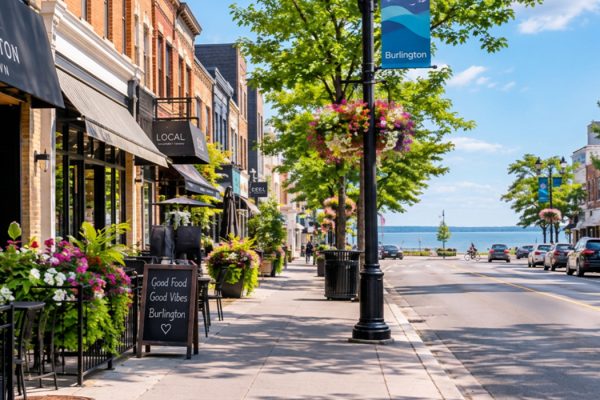
Spencer Smith Park and the downtown waterfront provide one of the city’s main gathering places, connecting residents to the lake through walking paths, park space and community events. Nearby, Burlington’s downtown includes restaurants, shops, services and cultural destinations within a more walkable environment than many other parts of the city.
To the north, the character changes considerably. The Niagara Escarpment and surrounding conservation lands provide access to hiking, forests and natural areas, creating a strong connection between Burlington and the broader landscape of Halton Region.
The city is also known for its location within the western GTA. Three GO stations, Aldershot, Burlington and Appleby, along with the QEW, Highway 403 and Highway 407 make regional transportation a significant part of everyday life for many residents.
Living in Burlington
What is everyday life like?
Daily life in Burlington tends to be neighbourhood-oriented. Downtown residents may walk to the waterfront, restaurants and local businesses. Someone living in Aldershot may spend more time travelling toward Hamilton or using the nearby Aldershot GO station to commute. Residents in southeast neighbourhoods have convenient access toward Oakville, while communities farther north are closer to newer commercial areas and routes toward the Escarpment.
Shopping and services are distributed throughout the city rather than concentrated entirely downtown. Burlington Centre, Mapleview Shopping Centre and commercial corridors provide everyday retail and services, while neighbourhood plazas and local business districts serve individual parts of the city.
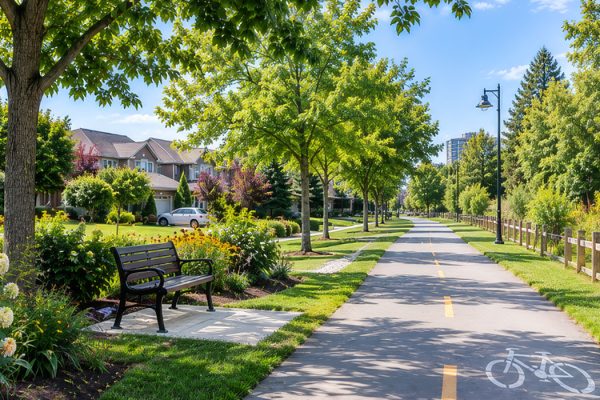
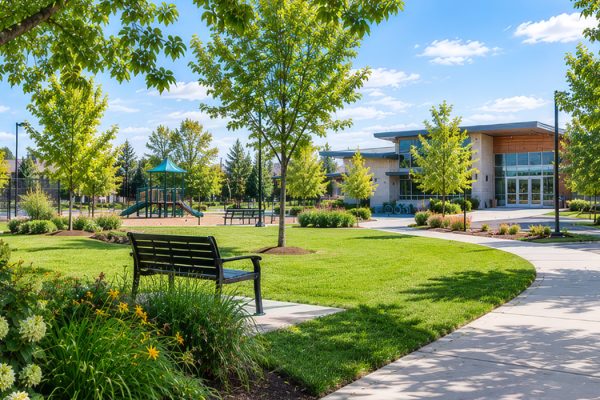
Parks and recreation are similarly integrated throughout Burlington. Local parks, sports fields, recreation facilities and trails support everyday activities, while Lake Ontario and conservation areas provide larger outdoor destinations.
This means choosing where to live is often as much about how you want to use the city as it is about the home itself.
Environment & Outdoor Lifestyle
Burlington’s natural setting is one of the clearest ways it differs from many GTA communities.
Burlington’s Waterfront
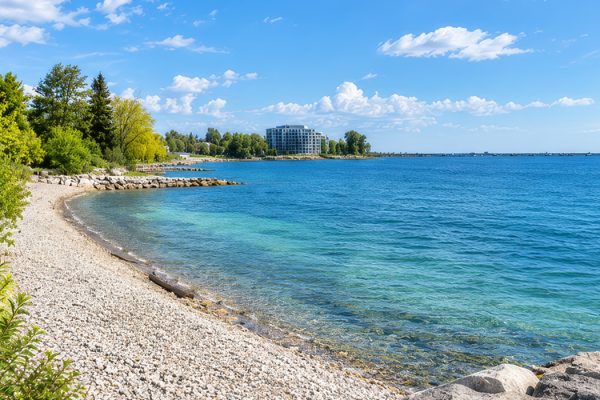
Lake Ontario forms the city’s southern boundary and plays an important role in the city’s identity.
Spencer Smith Park, the Waterfront Trail and nearby downtown destinations make the central waterfront particularly accessible. Other parts of south Burlington provide access to parks, trails and residential areas close to the lake.
Waterfront proximity can mean different things in real estate. Some buyers specifically seek properties near Lake Ontario, while others prioritize being within walking or cycling distance of waterfront parks and trails.
The Niagara Escarpment
North Burlington transitions toward the Niagara Escarpment and rural Halton.
Conservation areas and trails provide access to forests, cliffs and escarpment landscapes within a relatively short distance of the urban city. This makes Burlington particularly appealing to residents who want access to natural areas without moving away from major transportation and employment corridors.
The contrast between Lake Ontario to the south and the Escarpment to the north gives Burlington an unusually varied physical setting for a GTA city.
Explore Burlington Neighbourhoods
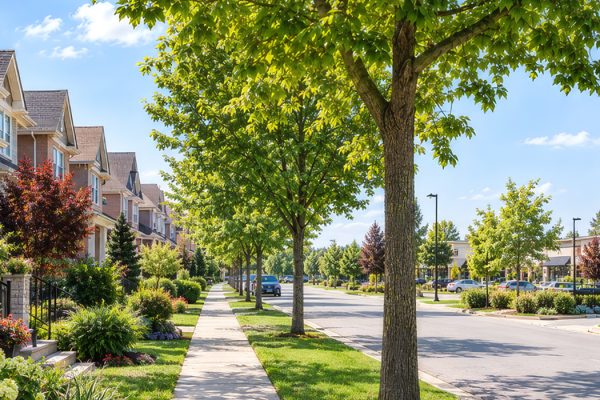
Burlington is made up of established neighbourhoods, newer communities, downtown and waterfront areas, and rural properties north of the city’s urban area. Housing, lot sizes, walkability, transportation, recreation and access to Lake Ontario can vary considerably depending on where you look.
Rather than identifying one area as the “best” neighbourhood, the more useful approach is to compare communities based on the type of home, location and lifestyle that matter most to you.
Aldershot — West Burlington community distinguished by the Royal Botanical Gardens, Burlington Bay, LaSalle Park, Aldershot GO and its immediate relationship with Hamilton.
Alton Village — A newer north Burlington community with detached homes, townhomes and condominiums alongside Haber Recreation Centre and Norton Community Park.
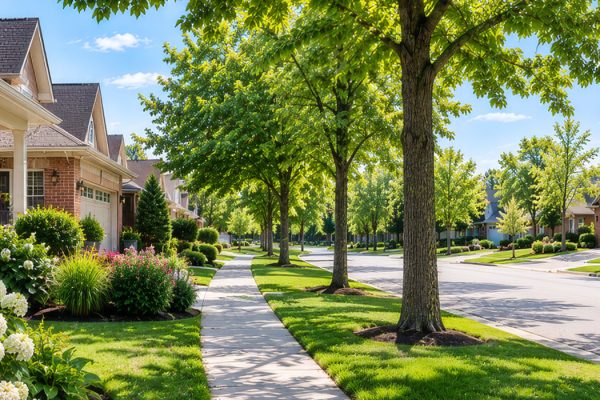
Brant Hills — An established north neighbourhood with mature streets, varied housing and community recreation centred around Brant Hills Community Centre.
Central Burlington — Downtown and waterfront Burlington, combining Brant Street, Spencer Smith Park, Lake Ontario, walkability, condominiums and established residential streets.
Dynes — An established south-central neighbourhood characterized by mid-century housing, the Centennial Bikeway and convenient access to everyday amenities.
Elizabeth Gardens — An established southeast neighbourhood close to Lake Ontario and Burlington’s Oakville boundary, with convenient access toward Bronte.
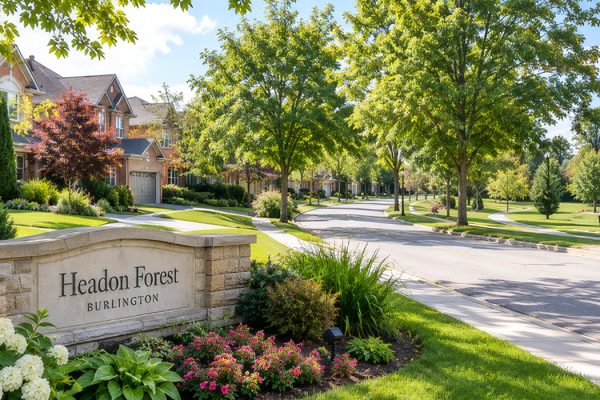
Headon Forest — A mature north neighbourhood with established residential streets and a location between the city’s older communities and newer northern growth.
Longmoor — An established South Burlington neighbourhood with mid-century detached housing, mature residential lots and local parks.
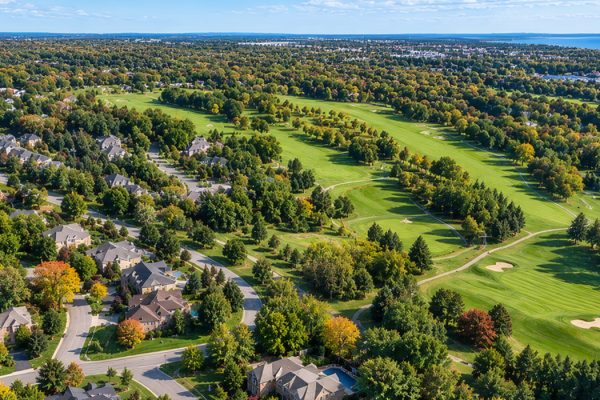
Millcroft — An established planned community where residential streets, mature landscaping and the Millcroft Golf Club contribute to a recognizable north Burlington setting.
Mountainside — An established central-north neighbourhood with mid-century housing, Mountainside Recreation Centre and convenient access toward Brant Street and the QEW.
Palmer — A mature residential neighbourhood with established housing and a practical location near Mainway and Upper Middle Road.
Pinedale — A southeast neighbourhood with detached and semi-detached homes, townhomes and condominiums, together with convenient access to Appleby GO and the QEW.
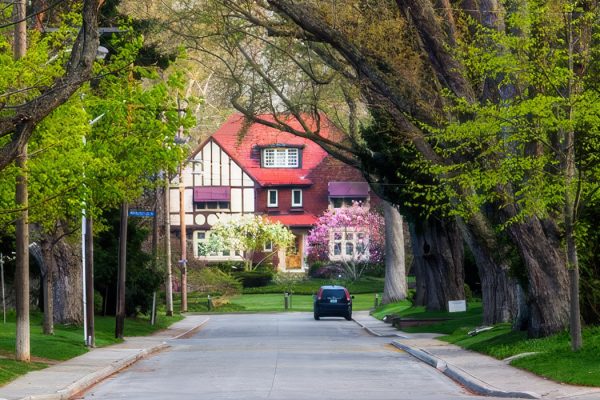
Roseland — An established south neighbourhood known for mature streets, detached housing and properties that have evolved through renovations, additions and custom construction.
Shoreacres — A mature South Burlington neighbourhood with a strong Lake Ontario relationship centred around Paletta Lakefront Park and established detached housing.
Tansley — A north-central neighbourhood offering detached homes, townhomes and condominiums alongside Tansley Woods Community Centre.
The Orchard — A planned northeast Burlington neighbourhood distinguished by its relationship with Bronte Creek, natural areas and Bronte Creek Provincial Park.
Tyandaga — An established northwest neighbourhood characterized by mature housing, varied terrain and the Tyandaga Golf Course.
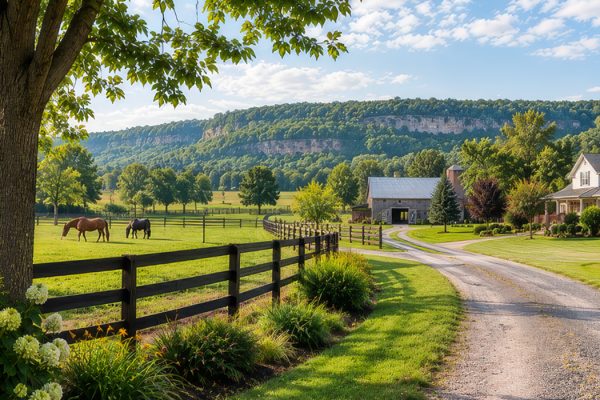
North Rural Burlington — Burlington’s rural area, where country homes, acreage, estate properties, hobby farms and other rural properties create a substantially different real estate environment from the city’s urban neighbourhoods.
Burlington Real Estate: What Buyers and Sellers Should Understand
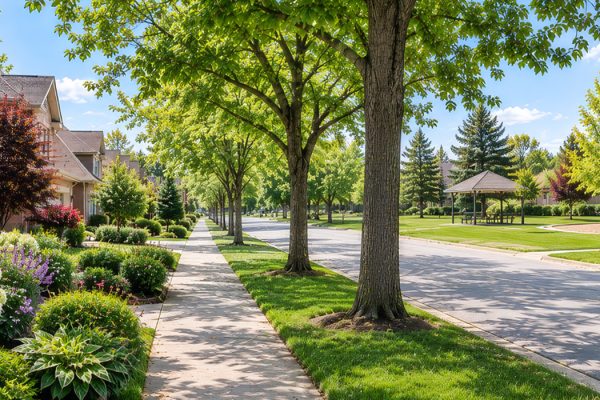
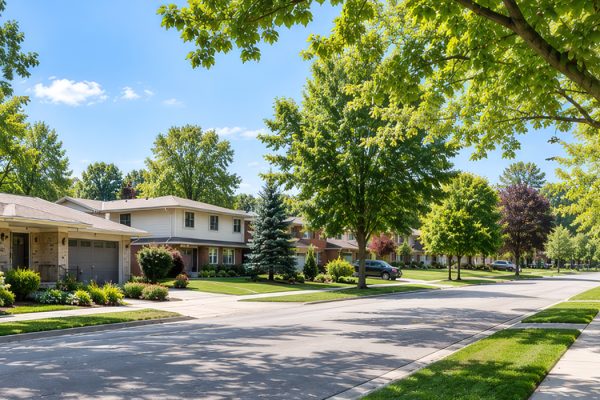
Burlington’s housing market reflects the city’s long period of development. Older detached homes, mid-century neighbourhoods, planned suburban communities, newer construction, townhomes and condominiums all exist within the same city. There are also luxury and waterfront properties for buyers searching at the upper end of the market. The important distinction is that housing characteristics often follow the city’s geography and development history.
A downtown condominium, detached home in Roseland, Aldershot property and newer townhouse in north Burlington technically share the same city, but they appeal to buyers for very different reasons.
For buyers, this makes neighbourhood selection particularly important. Commute time, GO train access, lot size, housing age, walkability, schools, proximity to Lake Ontario, and access to major roads can all influence which part of Burlington makes sense.
For sellers, the most useful market comparison is often not simply another Burlington property. Housing type, immediate neighbourhood, condition, lot characteristics, and location within the city can determine which competing properties matter most.
For continuously updated information on local housing activity and trends, explore our Burlington Market Report. Buyers and sellers can also visit our Buyer’s Guide and Seller’s Guide for practical information about preparing for a move.
Getting Around
Location is one of Burlington’s major advantages. Aldershot GO, Burlington GO and Appleby GO provide rail and bus connections along the Lakeshore West corridor. The three stations also mean access to GO Transit varies depending on where you live, making station proximity a useful consideration for frequent transit commuters.
By road, the QEW and Highway 403 connect Burlington with Hamilton, Oakville, Mississauga and Toronto, while Highway 407 provides another east-west route across the region.
Burlington’s position also makes neighbouring communities part of everyday life. Residents may work in Hamilton, shop or dine in Oakville, commute toward Mississauga or Toronto, and use recreational destinations throughout Halton and Hamilton.
For frequent commuters, evaluating the route from the specific property is more useful than looking at Burlington’s regional position alone. A home near Aldershot GO can create a very different transportation pattern from one downtown or in the north end of the city.
Why Do People Choose Burlington?
Burlington tends to appeal to people who want the amenities and connectivity of the western GTA without giving up access to Lake Ontario, established neighbourhoods and natural areas. Its strengths are not limited to one type of buyer or one style of housing. The city provides:
- A recognizable downtown and waterfront
- Access to the Niagara Escarpment and conservation areas
- Three GO stations along the Lakeshore West corridor
- Established neighbourhoods developed over several decades
- Newer communities in the north end of the city
- Detached homes, townhomes and condominiums
- Waterfront and luxury real estate options
- Parks, trails, recreation and community facilities
- Convenient access to Hamilton, Oakville, Mississauga and Toronto
- Different neighbourhood environments within one city
For many buyers, Burlington’s advantage is the ability to choose among these characteristics within one city.
People Moving to Burlington Often Ask:
Is Burlington a good place to commute from?
Burlington has three GO stations—Aldershot, Burlington and Appleby—as well as access to the QEW, Highway 403 and Highway 407. The best location for a commuter depends on the destination and preferred transportation method, so buyers should compare individual routes rather than treating all of Burlington equally.
Does Burlington have waterfront properties?
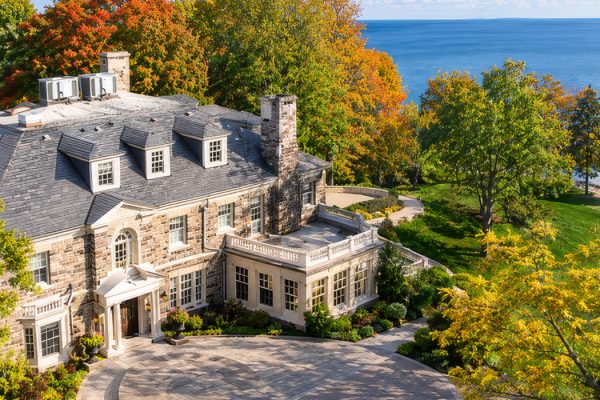
Yes, Burlington has waterfront properties with direct or near-water access as well as properties close to Lake Ontario. Downtown Burlington provides particularly convenient access to Spencer Smith Park and the waterfront, while other south Burlington neighbourhoods are also located close to the lake.
What is the difference between North and South Burlington?
South Burlington contains many of the city’s older and more established neighbourhoods and offers closer access to Lake Ontario. North Burlington includes established communities as well as newer development and provides convenient access toward Highway 407 and the Niagara Escarpment. Housing age, lot characteristics and streetscapes can differ considerably between the two.
Does Burlington have a walkable downtown?
Yes. Downtown Burlington is centred around Brant Street and the Lake Ontario waterfront, with restaurants, shops, services, parks and cultural amenities within a relatively compact area. Walkability varies considerably elsewhere in the city.
What should buyers consider when choosing a Burlington neighbourhood?
Start with the parts of Burlington that will shape everyday life, including commute, proximity to the waterfront, housing age, lot size, schools, walkability and the destinations you expect to use most. Once those priorities are clear, comparing individual neighbourhoods and properties becomes much easier.
Nearby Communities to Explore
Burlington’s location makes several neighbouring communities relevant to buyers comparing places to live in the western GTA.
Hamilton provides a larger, more varied urban market immediately west of Burlington, with distinct lower-city neighbourhoods, Hamilton Mountain, and communities such as Ancaster, Stoney Creek and Waterdown.
Oakville continues east along Lake Ontario and may appeal to buyers comparing established neighbourhoods, waterfront communities, GO Transit and newer development.
Waterdown, within Hamilton, is located north of Burlington and offers a smaller-community environment shaped by its historic village, newer growth and Niagara Escarpment setting.
Ancaster offers another Hamilton option, combining a historic village, mature residential areas, suburban development and rural surroundings.
The most useful comparison isn’t simply which community is “better.” It is which location provides the combination of housing, transportation, surroundings and everyday lifestyle that best fits your needs.
Your Burlington Real Estate Experts
Many buyers are familiar with Burlington before they begin searching for a home, but understanding how its different areas function can make the search much more productive.
The waterfront, downtown, GO stations, established south-end communities, northern neighbourhoods and Escarpment access create meaningful differences across the city. Local real estate guidance can help connect those differences to the practical requirements of a move rather than evaluating properties in isolation.
For sellers, the same local context matters when identifying relevant competing properties and understanding why buyers may favour one Burlington location over another.
Our Royal LePage® Burloak REALTORS® can help buyers and sellers navigate Burlington based on the specific neighbourhood, property and priorities involved.
Explore Burlington homes for sale, Burlington condos, Burlington waterfront properties, or Contact Our Team to connect with a local real estate professional.
Explore the Burlington Real Estate Market
At Royal LePage® Burloak our market-leading team of real estate professionals are dedicated to serving your real estate needs. To help you find that perfect home or condo in Burlington, contact us today and we will put you in-touch with one of our experience REALTORS®.