
Quick Read Summary
Smart and traditional thermostats both help manage winter heating costs, but they offer different advantages depending on a homeowner’s lifestyle, budget, and energy-saving goals. This article explains how smart thermostats can reduce energy use through automated scheduling, remote access, occupancy sensors, and learning features that adapt to daily routines. Traditional programmable thermostats may still provide reliable savings for homeowners who prefer simpler controls and lower upfront costs. The guide also explores factors such as installation requirements, HVAC compatibility, long-term utility savings, and convenience for Ontario homeowners during colder months. Understanding the differences between smart and conventional thermostat systems can help homeowners choose the most effective option for improving comfort, reducing heating expenses, and increasing overall home energy efficiency during winter.
As winter settles in, heating bills rise, making energy efficiency more important than ever. Homeowners looking to reduce winter utility costs often face a common question: should they stick with a traditional thermostat or invest in a smart thermostat? Both options control the temperature of your home, but they do so in very different ways. Understanding these differences can lead to significant savings. This guide compares smart thermostats vs traditional thermostats for winter energy savings, helping you make an informed choice for your home and budget.
How Thermostats Affect Winter Utility Bills
Before diving into the differences, it’s essential to understand how a thermostat influences your heating costs. Your thermostat regulates when your furnace or heating system turns on and off. This simple control can have a large impact on your energy consumption.
Traditional thermostats require manual settings of your preferred temperature or, in the case of programmable models, creating a daily schedule.
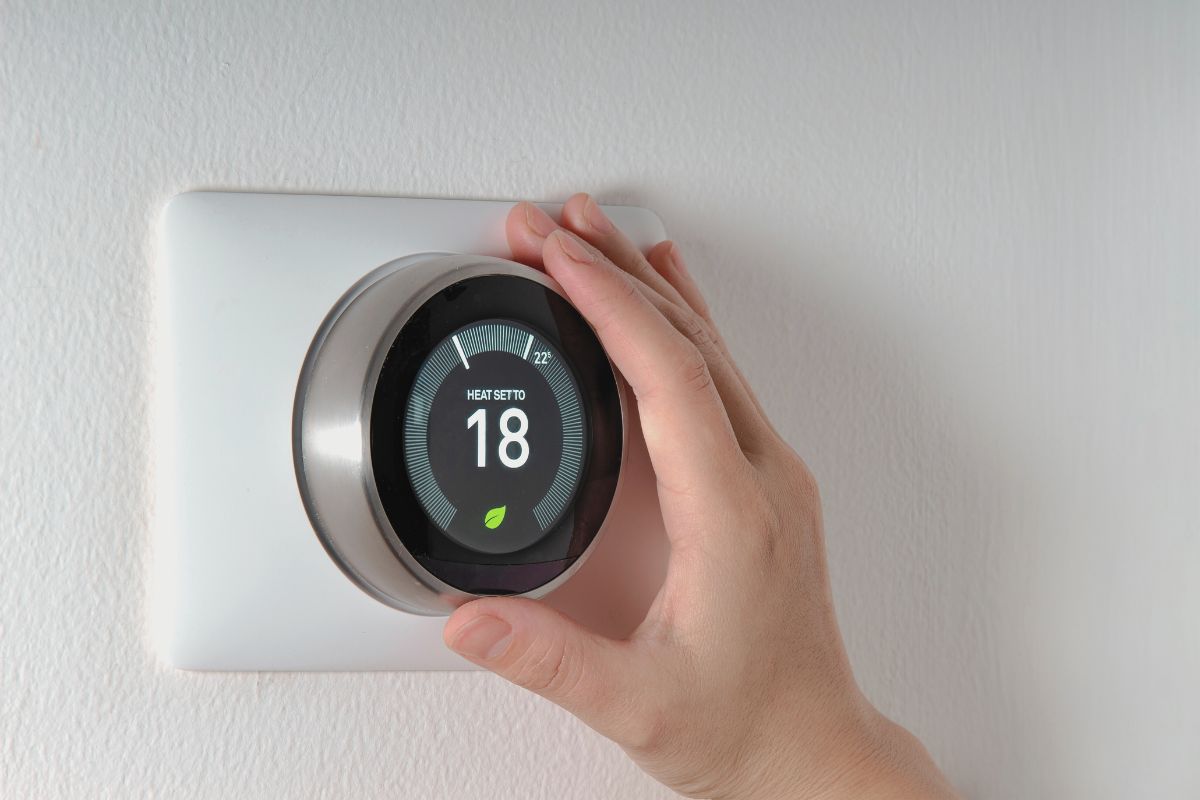
Smart thermostats, on the other hand, offer advanced features such as adaptive learning, remote control via smartphones, and energy usage reports. These features can lead to optimized heating patterns and potentially lower energy bills.
If your goal is winter energy savings, understanding how smart thermostats vs traditional thermostats perform is the first step.
Traditional Thermostats: Pros and Cons
Pros:
- Simplicity: Traditional thermostats are easy to use. A simple dial or digital interface allows setting the temperature without any learning curve.
- Reliability: Less technology means fewer chances of malfunctions or software glitches.
- Lower upfront cost: Most traditional thermostats are inexpensive, often ranging from $20 to $100.
Cons:
- Limited energy optimization: Traditional models don’t adapt to your lifestyle or weather patterns, which means heating may run when it isn’t necessary.
- Manual adjustments required: Homeowners have to remember to lower the temperature when away or asleep. Forgetting can increase energy consumption.
- No data insights: They don’t provide feedback on energy usage. Identifying inefficiencies can be a challenge.
Best for: Budget-conscious homeowners who prefer simplicity and don’t mind manually programming their heating schedule.
Smart Thermostats: Pros and Cons
Pros:
- Learning algorithms: Smart thermostats learn your schedule and automatically adjust temperatures, preventing wasted energy while you’re away or asleep.
- Remote control: With smartphone apps, you can change the temperature from anywhere, which is particularly useful for unexpected schedule changes or vacations.
- Energy reports: Many smart thermostats provide detailed insights into your energy usage, helping identify cost-saving opportunities.
- Integration with smart home devices: Some models work seamlessly with voice assistants and other home automation systems.
Cons:
- Higher upfront cost: Smart thermostats can cost $150–$300, though some models qualify for energy rebate programs.
- Setup complexity: Installation may require some technical knowledge or professional help.
- Dependence on Wi-Fi: Remote features won’t work during internet outages, though basic functions typically continue.
Best for: Tech-savvy homeowners who want to automate their heating and gain insights into energy usage, potentially maximizing winter savings.
Comparing Energy Savings: Smart vs Traditional Thermostats
Several studies have shown that smart thermostats can reduce heating costs by 10–15% on average. The savings come from:
- Adaptive scheduling: Learning your habits and adjusting temperature automatically.
- Geofencing: Detecting when no one is home and lowering the heat accordingly.
- Optimized system operation: Avoiding unnecessary furnace cycles while maintaining comfort.
In contrast, a well-used programmable traditional thermostat can also achieve 5–10% savings, but this requires careful scheduling and consistent manual adjustments.
Example:
A household with a $200 monthly winter heating bill could save up to $20–$30 per month using a traditional programmable thermostat, or up to $30–$45 per month with a smart thermostat, depending on usage patterns.
Factors to Consider Before Choosing
- Household schedule: If your home has unpredictable occupancy, a smart thermostat’s adaptive features may provide additional savings.
- Budget: If upfront cost is a primary concern, traditional thermostats are more economical.
- Tech comfort level: Smart thermostats require familiarity with apps and Wi-Fi connectivity.
- Long-term plans: Smart thermostats often pay for themselves over several years through energy savings, making them a better long-term investment.
- Rebates and incentives: Many energy companies offer rebates for installing smart thermostats, which can offset the initial cost.
Tips for Maximizing Winter Energy Savings
Whether you choose a smart or traditional thermostat, you can further reduce utility costs with these strategies:
- Lower the temperature at night: Aim for 16–18°C while sleeping.
- Use zoning wisely: If possible, only heat rooms in use.
- Seal drafts: Windows, doors, and insulation can make a bigger difference than thermostat settings alone.
- Regular maintenance: Ensure your furnace or boiler is running efficiently.
- Smart scheduling: If using a smart thermostat, review energy reports to optimize settings. For traditional thermostats, create a consistent schedule and stick to it.
Real-World Savings Scenario
Consider two households:
- Household A: Uses a traditional programmable thermostat. They lower the temperature at night and when they are away for work. Average monthly heating bill: $180 (down from $200).
- Household B: Uses a smart thermostat. The thermostat learns the homeowner’s schedule, adjusts temperatures when they are away, and provides energy reports. Average monthly heating bill: $165 (down from $200).
Over a typical four-month winter, Household B saves $60 more than Household A. While the initial investment in a smart thermostat is higher, the combination of automation and energy insights provides both convenience and long-term savings.
For homeowners looking to cut winter utility costs:
- Traditional thermostats are perfect for those who value simplicity, low cost, and don’t mind manually adjusting temperatures.
- Smart thermostats are ideal for those who want convenience, automation, and potentially higher energy savings, even with a higher initial investment.
Ultimately, the “best” thermostat depends on your household habits, comfort preferences, and budget. For many households, a smart thermostat can pay for itself within a few years, especially when paired with proper insulation and efficient heating practices.
Choosing between a smart and traditional thermostat doesn’t have to be daunting. By understanding how each device impacts your heating system, you can make an informed choice that balances cost, convenience, and energy efficiency. With winter utility bills on the rise, making the right choice today can lead to noticeable savings and a more comfortable home all season long.
Contact a Full-time REALTOR® today!
Looking for an experienced REALTOR® who specializes in the Burlington real estate market? At Royal LePage® Burloak we are here to help you with your real estate needs!